Welcome to WordPress. This is your first post. Edit or delete it, then start writing!
Author: catherine

(classical) Education Is About Teaching What Deserves Applause
 Catherine L’Ecuyer, bestselling author of The Wonder Approach, originally appeared on 9 November in La Razón
In The Gulag Archipelago, Aleksandr Solzhenitsyn recounts a chilling scene from a Communist Party meeting in Moscow in 1937. During the gathering, the local party secretary requested an ovation for Comrade Stalin:
“Of course, it being the time of the ‘purges’, every person in the hall immediately rose and began to applaud the man who, with a bloodstained iron hand, ruled not only the Party, but the entire nation.
A minute passed, and the enthusiastic clapping continued. Then two minutes. Then three. Try applauding for three uninterrupted minutes: your arms begin to ache and threaten mutiny. Yet no one in that meeting wanted to be the first to stop. Four minutes passed. Then five.
Ordinarily, it would have fallen to the very same local secretary—who had initiated the applause—to bring it to a close. After all, he had called for the tribute. But the poor man had just replaced a predecessor who had been arrested by Stalin’s political police. So he dared not be the first to yield, seeing others still clapping fervently.
Six minutes. Seven. Eight. Time stretched unbearably. The audience had passed the point of discomfort: the pain was now excruciating. Nine minutes. Ten. Everyone exchanged desperate glances, silently begging someone to end the absurdity, but none dared act.
Finally, at the eleventh minute—on the edge of collapse—the director of a local factory, who also sat on the district’s Party committee, ceased clapping and sat down.
Instantly, as if on cue, the room fell silent. At last someone had dared to do what all had longed for. The crowd exhaled in relief and reclaimed their seats, and the meeting was officially closed.”
Solzhenitsyn adds that the factory director was arrested that very night by the KGB and sentenced to ten years in the Gulag. After his interrogation, one of the agents gave him a final word of advice: never be the first to stop applauding.
This grim tale prompts reflection on the true purpose of education and the role of the school. Is it the task of education to teach us when to applaud—and when not to? Are schools and universities places to train students to acclaim ideas, or to instruct them when silence is more fitting? Should classrooms be arenas of ideological militancy?
In his Discourses on the Scope and Nature of University Education, John Henry Newman writes:
“Education gives a person a clear view of their own opinions and judgements. It teaches them to see things as they are, to go straight to the point, to disentangle a complex idea, to detect sophistry, and to discard the irrelevant. It grants the truth to develop ideas, eloquence to express them, and the energy to defend them.”
The classical education advocated by Newman and others does not prescribe what a student must feel or say according to fashion or the whims of the majority. It fosters in a person the ability to be consistent, even when that leads to unpredictability. Predictable—because the individual lives in coherence with their principles; unpredictable—because they are not enslaved to the echo chamber of a tribe dictating their every thought.
This tradition of education does not encourage the student to construct knowledge solely from their own perceptions of reality. Rather, it upholds that reality is to be discovered—not constructed. It aims to help the student perceive the world as it is, and to situate individual facts within the greater whole of reality. It does not seek to bend the will by “motivating” the student into desiring what is beautiful. Yet it never ceases to present beauty as the visible expression of truth (understandable) and goodness (desirable).
Classical education understands the classroom as a space for serious inquiry into matters of significance, such that, as Plato writes:
“After long familiarity and intimate engagement with a question, suddenly, like a light kindled from a spark, truth is born in the soul, and once born, nourishes itself.”
In sum, classical education does not command applause. It teaches what is truly worthy of it.

That Place to Which Innovative Education Leads Us
Published by Catherine L’Ecuyer
By Catherine L’Ecuyer, originally published in El Mundo. 5/12/23
To what can we attribute the widespread collapse in PISA results, seemingly signalling a decline in Western culture? It appears that there is ever more education in the classrooms; yet, paradoxically, less education within the students themselves. This decline in educational standards is not merely a crisis of education per se, but rather a far deeper crisis in the theory of knowledge. Does reality exist prior to being known, or is it the student who ‘constructs’ it at will?
It is no secret that, following a widespread disenchantment with behaviourist-mechanistic education (misleadingly dubbed ‘traditional’), Spanish education has, over the past decade, gradually abandoned strict adherence to teacher authority, the hierarchy as sole source of knowledge, and rote memorisation. At the same time, it has embraced the ‘modern’ and ‘progressive’ doctrines of the new education and its underpinning educational theory: constructivism, which stems from the Romantic-idealistic philosophical tradition. The emphasis shifted towards discarding knowledge in favour of innovation, emotional education, competencies, tablets, and constructivist methods of pure discovery learning. Thus, students moved from reading lengthy texts to pasting sheets on a mural, cutting and pasting from Wikipedia, or even inventing their own version of history. Instruction shifted from direct teaching to pure discovery learning, where the child ‘learns to learn’. There is no shortage of gurus warning against the dangers of the lecture method — yet after two hours of preaching on this, their own lecture is met with applause. But the fundamental question remains: can a learner know what they need to know if they do not yet know what they have yet to learn?
This is not a matter of choosing one error over another, or finding a middle ground between two mistaken positions. The current educational crisis is a metaphysical one. Reality is neither instilled nor constructed; it is discovered. It is discovered precisely because it exists prior to being known by the student. It is no coincidence that constructivists are not fond of assessments and tests — these acknowledge reality as a measure, which for them it is not. They prefer to speak of emotions, values, and competencies — concepts more experiential and subjective.
Reality is not instilled (that much we know), nor constructed (that we are beginning to see), but transmitted and discovered. This is the stance of the realist philosophy underpinning classical education. To discover a fact and situate it within the whole of reality, we need a teacher who knows their subject well and can convey it with passion. That is not, and never will be, the role of Mister Google, ChatGPT, or the role of the favoured vehicle of constructivism (the tablet). Fascination is not the same as wonder; openness to reality is not the same as being dragged along by frequent, intermittent stimuli that distract from learning. Education is a human matter, not a technological one; it requires reflection and deep concentration. Teaching and transmitting culture is, and always will be, the role of the learned and dedicated teacher who seeks the encounter with the attentive gaze of each of their pupils.
There is reason for hope: we stand at a turning point. We are still in time to aspire to be guardians of the finest knowledge inherited in the West over centuries.

From a Culture of Recklessness to a Culture of Precaution
 Published by Catherine L’Ecuyer in El País
France now seeks to shield infants from mobiles, tablets and televisions with warning labels on packaging, alerting caregivers to potential health risks posed by exposure to screens. This draft law—already approved in the Senate but awaiting a vote in the National Assembly—would compel manufacturers to include cautionary notices about developmental hazards for young children (0–3 years).
Is this measure excessive? Ample evidence suggests that screen exposure in early childhood can impair attention, increase impulsivity, diminish vocabulary, and more. In light of such studies, prominent paediatric associations advise against exposing children under two to screens, and recommend limiting screen time to one hour per day for those aged 2–5. But are these studies definitive? Are the recommendations overly cautious? Does occasional or even regular exposure guarantee harm for every child? If we speak only of risk, is that enough grounds to ban or regulate the companies producing these devices?
In truth, the issue transcends the simple question of what will definitely happen if my child uses a gadget. It is really about understanding the contrast between a culture of recklessness and one of caution.
In 1986, the Challenger Space Shuttle exploded just 73 seconds after liftoff, watched in horror by millions of Americans who had tuned in live. It was the gravest disaster in the annals of space exploration, claiming the lives of seven crew members—among them Christa McAuliffe, a schoolteacher selected to broadcast her lessons from orbit as part of an educational outreach initiative.
Subsequently, a presidential commission was convened to investigate the tragedy. Its members were largely aligned with or beholden to NASA and the US government—except for one: Richard Feynman, Nobel Prize–winning physicist, the sole independent voice. The commission’s report was later denounced as overly deferential to those who had appointed it. Engineers who had raised earlier concerns about faulty O-rings—rubber seals vulnerable to freezing temperatures—were silenced; some were dismissed. Only in later years did they speak out in investigative reports, far from the spotlight. Feynman’s dissenting views were buried in Appendix F of the report. But what truly transpired before the launch?
Engineers had warned scorningly that the O-rings risked failing in the anticipated freezing early-morning chill and urged a delay until a solution was found. NASA’s senior leaders challenged them: “Prove beyond doubt the shuttle will explode,” they demanded. NASA refused to delay unless the risk was 100%. They literally shifted the burden of proof. Why?
Political pressure had been mounting: NASA had not achieved a successful launch in years, and the media was critical. Christa’s scheduled lessons from space were poised during weekdays; any delay would shift them to weekends. The O-ring contractor risked reputational harm; NASA risked political embarrassment; the government risked public backlash. Collective expectations were immense, and risk seemed an inconvenient obstacle. So, reversing the burden of proof was the only solution.
In his report, Feynman went beyond recounting events, highlighting NASA’s systematic tendency to downplay risks, its frivolous inclusion of a schoolteacher in an experimental rather than commercial mission, and the stark contrast between NASA leaders’ optimistic risk estimate (1 in 100,000) and that of the engineers (1 in 200). This divergence reflected a culture that welcomed only good news—news that bolstered reputation—while ignoring inconvenient truths. He wrote:
« Let us make recommendations to ensure that NASA officials deal in a world of reality in understanding technological weaknesses and imperfections well enough to be actively trying to eliminate them. They must live in reality in comparing the costs and utility of the Shuttle to other methods of entering space. And they must be realistic in making contracts, in estimating costs, and the difficulty of the projects. Only realistic flight schedules should be proposed, schedules that have a reasonable chance of being met. If in this way the government would not support them, then so be it. NASA owes it to the citizens from whom it asks support to be frank, honest, and informative, so that these citizens can make the wisest decisions for the use of their limited resources. »
This story resonates, not because smartphones will eventually « explode » in children’s hands, but because it epitomises the reversal of the burden of proof in society’s large-scale experiment. We do not demand that tech companies prove their products are educationally beneficial or harmless to our children; instead, we label cautious voices “technophobes” and put the onus on them to provide proof of harm. Meanwhile, rigorous scientific proof remains slow and costly—failing to keep pace with rapid technological obsolescence. When the evidence finally emerges, the devices are outdated, and new ones take their place. Meanwhile, the damage has already been done.
Moreover, as both subject and object of this experiment, we are the judges and the judged. If we study ourselves, might we lack the objectivity needed to carry out rigorous research and heed its outcomes ? Perhaps this paradox explains our reluctance to embrace healthy scepticism, and our discomfort at confronting evidence that might undermine cherished habits or beliefs. What do we call those who act without inquiry? Reckless. And when economic interests are involved, this recklessness becomes murky indeed.
Feynman succinctly pinpointed the disconnect between empirical data and the decisions of those managing public resources. His concluding appeal rings as relevant today as ever: « For a successful technology, reality must take precedence over public relations, for nature cannot be fooled ».
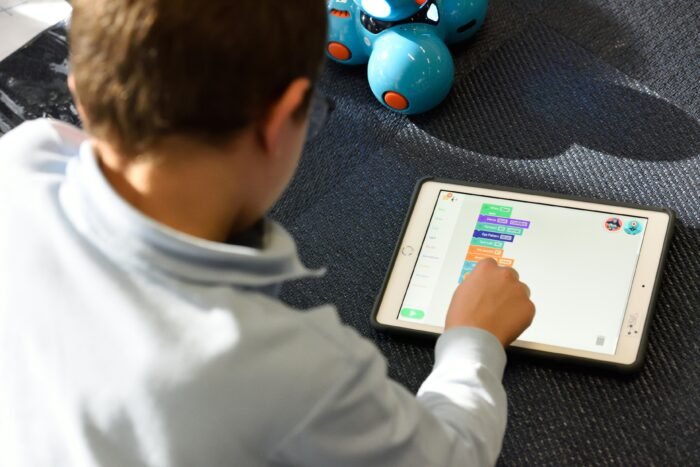
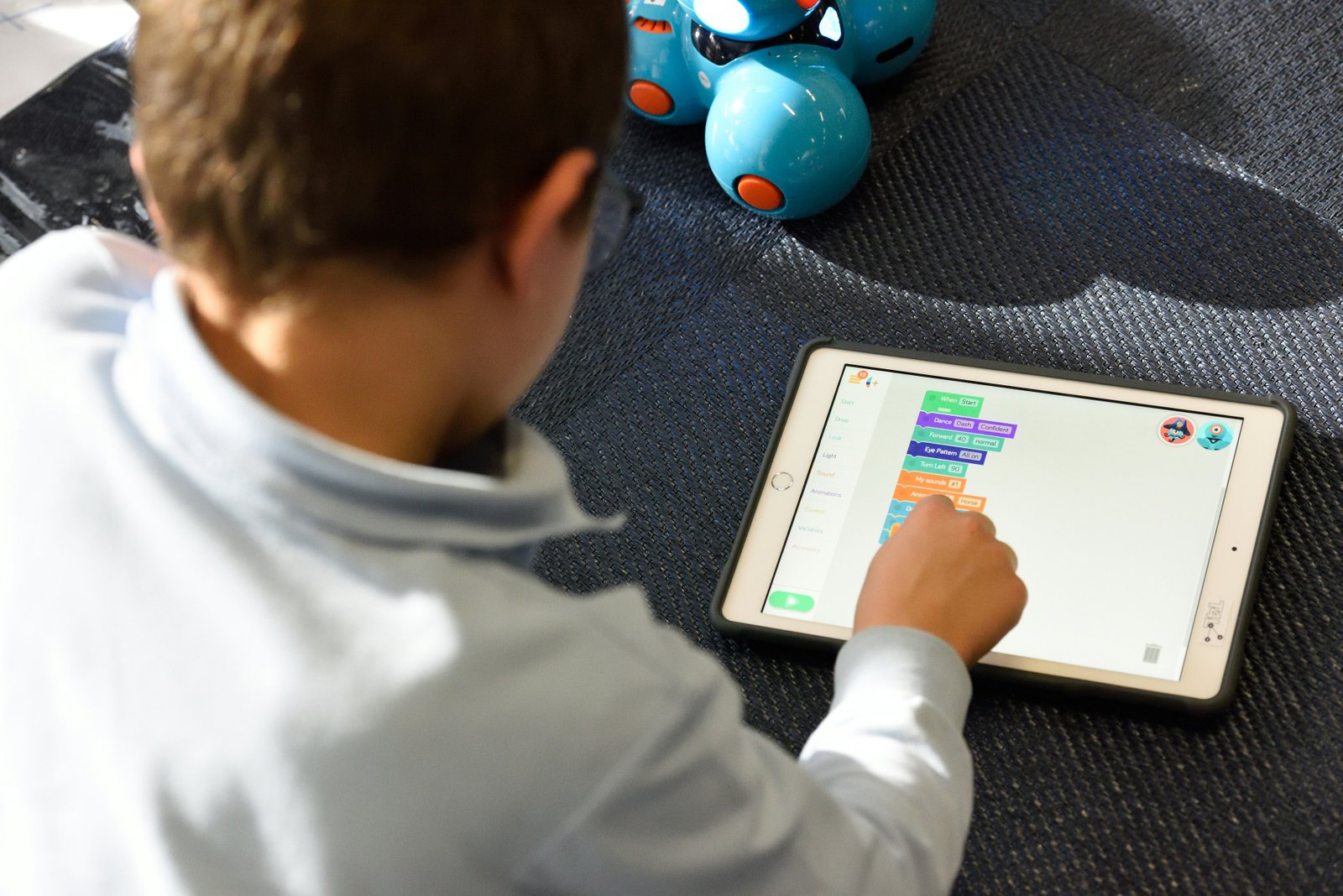
An Open Letter to School Leaders Using Tablets: A Call for caution and Responsibility
By Catherine L’Ecuyer – Published in La Razón, 9 November 2023
Many parents are increasingly concerned about the implications of replacing traditional books with tablets in the classroom. Over the past decade, I have received hundreds of messages and letters from desperate and disheartened parents whose children’s schools have implemented tablets without offering a non-digital alternative. Some of these children attend state schools and lack the financial means to consider other options; others are enrolled in private or semi-private institutions and lament the lack of analogical education alternative. In general, parents deplore the absence of educational pluralism in this regard.
In light of medical recommendations and declining academic standards, the Swedish government recently announced its intention to reduce pupils’ screen time, advocating instead for a return to printed books.
Why a call for caution?
To date, there exists no sufficient body of evidence to justify the use of tablets in classrooms. A decade ago, as major tech corporations began penetrating the education sector, Larry Cuban, Professor Emeritus of Education at Stanford University, stated unequivocally: “There is a lack of evidence to justify spending money on this. Period. Period. Period.” Since then, little has changed—unless one counts studies funded by technology companies or those lacking rigour: no control groups, non-representative samples, or subjective indicators such as “students enjoy it more”, or it “engages” them.
But that something is “more enjoyable” does not mean it is educational, nor even good for the child. Industrial pastries, too, are enjoyable. Also, “engagement” is often measured in terms of external motivation, disregarding the actual objective learning outcome. The improved outcomes promised by such studies never truly materialise, because what is being measured is not a genuine interest in learning, but rather a passive fascination triggered by frequent, intermittent stimuli (external motivation). The immature mind of a child becomes passive and dependent when faced with a screen governed by algorithms that determine its course.
Will our children fall behind professionally because they didn’t use a tablet at 4, 8 or 12 years old? Is it difficult to learn how to use these devices later? The answer to both questions is: no. So what sense is there in dedicating key years of their education to mastering a technology deliberately designed for obsolescence? Steve Jobs did not allow his own children to use iPads, and many tech executives send their offspring to schools that proudly abstain from screen use. They understand that technology is not neutral. They are aware of numerous studies linking screen use and technological multitasking with an impaired ability to distinguish relevance, increased hyperactivity, impulsivity, and diminished attention. They know it can dehumanise the learning process, worsen reading comprehension online compared to paper reading, interfere with the development of literacy, foster addiction, encourage superficial thinking, hinder working memory, and expose children to inappropriate content. The cognitive and economic elite have chosen to afford themselves the luxury of human relationships.
Until robust evidence proves both the pedagogical benefits and the absence of harmful effects of tablet use in schools, the burden of proof—a double burden—lies with those advocating for their integration. Caution and transparency are paramount. Just as doctors report donations from pharmaceutical companies, schools should disclose gifts received from tech firms. Let us not forget that this sector sponsors much of the research and many education conferences, purchases advertising space in media and educational journals, and shapes public opinion in favour of its economic interests—peddling technological slogans that can distort both educational effectiveness and parental guidance. This is a textbook conflict of interest. The classroom is a sacred space, and school leaders bear the grave responsibility of drawing the line over what may or may not enter it. Asking Big Tech to design educational tools is akin to asking Pizza Hut to craft school lunch menus.
In 1996, Steve Jobs reflected: “I used to think technology could help education. But I’ve come to the inevitable conclusion that the problem is not one that technology can hope to solve. What’s wrong with education cannot be fixed with technology. No amount of tech will make a dent.” One must wonder what might have become of Mozart, Picasso, Aristotle, or Dante had a device of this kind fallen into their hands at age eight.
The advantages of technology in adulthood are undeniable. Our children and pupils will one day use these tools when they truly need them—when they possess the maturity to do so with discernment and responsibility. Yet in a world of perpetual change, what young users often lack is discernment, a sense of relevance, and the certainties that allow them to grasp the value and originality of information. True preparation for digital life lies in an understanding of context—something that cannot be nurtured in the decontextualised realm of the internet. It is a solid humanistic education that equips the young mind to navigate, meaningfully, the vast ocean of digital information. Therefore, until our children have received such humanistic formation, the best preparation for the online world is still found offline—in the real world.
The growing concern surrounding excessive screen use among children is now giving rise to public alarm. Lawsuits against technology companies are multiplying as the link between screen exposure and mental health deterioration in minors becomes more evident. Let us say this clearly and unambiguously: online education has not revolutionised education. On the contrary, many lament the academic setbacks following the pandemic. The digitalisation of classrooms is an enormous, ongoing experiment, and parents were not adequately informed of the risks it entailed. Today, many feel betrayed.
Dear all who have been involved in signing contracts with major technology firms to introduce tablets into schools, you bear the responsibility for disclosing the risks that your decisions have entailed. It will be difficult to share that responsibility with the vendors. The victims will claim it was you, not they, who were the experts in education—and they will wash their hands of it.
It was reckless to rush into adopting tablets as pedagogical tools without robust evidence. Some of us have been warning of the risks for over ten years, and I am sorry to tell you that we are not the only ones. Take a closer look at the liability disclaimers embedded in the contracts you’ve signed with those tech giants, and you will see what this was really about.
Three Mindsets That Led to Digitalisation
 By Catherine L’Ecuyer, published in the Spanish outlet La Razón, on March 24, 2025
Following Sweden’s example, the Madrid region this week embarked on the path to removing tablets from classrooms. In Canada, the National Institute of Public Health of Québec conducted a literature review on the subject and concluded: “Recent scientific data suggest that digital devices in the classroom, whether used for personal or educational purposes, at best offer no benefit to learning, and at worst have a detrimental effect on young people’s cognition.”
The digitalisation of classrooms has been a colossal mistake from which we will be recovering for years to come. The million-dollar question is: why did we not even debate the convenience of introducing tablets in the first place? Much is said about the financial interests of the industry and those who sponsor its content, which has been the primary driver behind mass digitalisation. But today, I would like to describe three mental states that have paralysed the educator’s capacity for critical thought, even the most learned.
The first mindset is the belief that the new is always better than the old. Since technology was synonymous with progress and modernity, we never even paused to question whether it made sense to introduce it into classrooms. Nor were we prudent in demanding evidence before deployment, nor temperate in waiting to receive it.
The second mindset is the trance of technological novelty — an almost religious adulation of technology that threatens to cloud our perspective, leading us to perceive technological innovation with an apocalyptic fascination. It interprets change as radically decisive and revelatory of the future.
Yet if the ‘relevance’ and fever of novelty fade merely with the passage of time, it was foreseeable that tablets would eventually be relegated to the dusty chest of irrelevance. It was predictable that, suddenly and without moving an inch, those once dismissed as ‘old-fashioned’ would be embraced as the new ‘educational vanguard’.
The third mental state decisive in digitalisation has been that of the “lukewarm moderate”. For them, neither too much nor too little — “everything is a matter of balance.” If consumption statistics indicate a certain figure, virtue lies somewhere between that figure and total abstinence. The goal, then, is not excellence or meaning, but merely to “avoid abuse.” Yet, as Ethics Professor Margarita Mauri reminds us, “virtue cannot be spoken of as a diminished vice, nor vice as an exaggeration, by excess or deficiency, of that very virtue.”
The “lukewarm moderate” mistakes prudence for silence, timidity, or cowardice in the face of harmful behaviour; they reduce temperance to a minimalist law, a pact with mediocrity. They will scarcely succeed in educating their pupils or children in the virtuous life, for they do not understand it: a steady disposition enabling the choice of the most excellent path through prudence, courage, and temperance. Growing up with a device designed for addiction and distraction hardly seems the best means to achieve this.
In short, if we are to take any lesson from the error of digitalisation, it would be wise to adopt a timeless attitude — aspiring to what has been, is, and always will be, a good education.

Education Is about Teaching What Deserves Applause
 By Catherine L’Ecuyer. Originally published in the Spanish media outlet La Razón, on November 9th 2023.
In The Gulag Archipelago, Aleksandr Solzhenitsyn recounts a chilling scene from a Communist Party meeting in Moscow in 1937. During the gathering, the local party secretary requested an ovation for Comrade Stalin:
“Of course, it being the time of the ‘purges’, every person in the hall immediately rose and began to applaud the man who, with a bloodstained iron hand, ruled not only the Party, but the entire nation.
A minute passed, and the enthusiastic clapping continued. Then two minutes. Then three. Try applauding for three uninterrupted minutes: your arms begin to ache and threaten mutiny. Yet no one in that meeting wanted to be the first to stop. Four minutes passed. Then five.
Ordinarily, it would have fallen to the very same local secretary—who had initiated the applause—to bring it to a close. After all, he had called for the tribute. But the poor man had just replaced a predecessor who had been arrested by Stalin’s political police. So he dared not be the first to yield, seeing others still clapping fervently.
Six minutes. Seven. Eight. Time stretched unbearably. The audience had passed the point of discomfort: the pain was now excruciating. Nine minutes. Ten. Everyone exchanged desperate glances, silently begging someone to end the absurdity, but none dared act.
Finally, at the eleventh minute—on the edge of collapse—the director of a local factory, who also sat on the district’s Party committee, ceased clapping and sat down.
Instantly, as if on cue, the room fell silent. At last someone had dared to do what all had longed for. The crowd exhaled in relief and reclaimed their seats, and the meeting was officially closed.”
Solzhenitsyn adds that the factory director was arrested that very night by the KGB and sentenced to ten years in the Gulag. After his interrogation, one of the agents gave him a final word of advice: never be the first to stop applauding.
This grim tale prompts reflection on the true purpose of education and the role of the school. Is it the task of education to teach us when to applaud—and when not to? Are schools and universities places to train students to acclaim ideas, or to instruct them when to feel or not a given range of emotions? Should classrooms be arenas of ideological militancy?
In his Discourses on the Scope and Nature of University Education, John Henry Newman writes:
“Education gives a person a clear view of their own opinions and judgements. It teaches them to see things as they are, to go straight to the point, to disentangle a complex idea, to detect sophistry, and to discard the irrelevant. It grants the truth to develop ideas, eloquence to express them, and the energy to defend them.”
For classical education, critical thinking is not an emotional impulse born of indignation, nor is it driven by a struggle for power. Rather, it is the exercise of a profound understanding of reality, grounded in sound criteria anchored in enduring anthropological constants. One can only recognise what is false in a piece of news through prior knowledge; one can only grasp a coherent narrative thread—or draw meaning from the vast ocean of information that is the Internet—through understanding. And to access knowledge and culture, one must possess a rich lexical register, in order to comprehend what one reads.
The classical education advocated by Newman and other classical authors does not prescribe what a student must feel or say according to fashion or the whims of the majority. It fosters in a person the ability to be consistent, which paradoxically leads to being both predictable and unpredictable. Predictable—because the individual lives in coherence with their principles; unpredictable—because they are not enslaved to the echo chamber of a tribe dictating their every thought. This tradition of education discourage the student to construct knowledge solely from their own perceptions of reality. Rather, it upholds that reality is to be discovered—not invented, nor constructed. It aims to help the student perceive the world as it is, and to contextualize every reality within the greater whole. It does not seek to bend the will by “motivating” the student into desiring what is beautiful. Yet it never ceases to present beauty as the visible expression of truth (understandable) and goodness (desirable).
Classical education understands the classroom as a space for serious inquiry into matters of significance, such that, as Plato writes,
“After long familiarity and intimate engagement with a question, suddenly, like a light kindled from a spark, truth is born in the soul, and once born, nourishes itself.”
In sum, classical education does not command applause. It teaches what is truly worthy of it.
Catherine L’Ecuyer is the bestselling author of The Wonder Approach.

The Necessary EdTech De-escalation
Published on March 24th, 2025 in the Spanish newspaper El Mundo
In a context where 32% of teenagers spend over five hours daily online (rising to nearly 50% on weekends), according to recent UNICEF data, and mounting evidence links hyperconnectivity to the profound deterioration of Generation Z’s mental health, the relentless push to digitalise education without proof of learning benefits or assurances of no harm raises serious concerns. A EdTech de-escalation is imperative until evidence conclusively demonstrates its benefits and confirms the absence of harm.
However, this rollout clashes with the impartial, non-commercially driven recommendations of educational, health, and data protection authorities, as well as qualified experts who question its rationale and urge reconsideration.
In 2015, the Students, Computers and learning OECD report noted that countries deploying computers in classrooms beyond average levels tended to achieve significantly poorer results. In 2023, UNESCO cautioned against underestimating the short- and long-term economic, wellbeing, and environmental costs stemming from classroom technology use. It also expressed concern about the growing influence of the digital industry on education policies. That same year, Swedish authorities reversed their classroom digitalisation programme, returning to textbooks following findings from a panel of experts coordinated by the Karolinska Institute. Also in 2023, Quebec’s National Institute of Public Health conducted a systematic review of scientific literature on the effects of digital device use, concluding that at best there were no learning benefits, and at worst, cognitive harm to minors.
There are at least ten compelling reasons to reverse the digitalisation of school education:
- Technological deployment does not respond to real, objective needs but to an unfounded association between modernity and learning—as if replacing analogue tools with digital ones inherently marked progress.
- Students face constant temptation to use devices for non-educational purposes (social media, videos, games, pornography, etc.), whose excessive consumption is linked to mental health issues, addictive behaviours, and a sense of disconnection from reality. Children receive conflicting messages: schools mandate connectivity, while paediatric guidelines urge drastically reducing screen time.
- Furthermore, digital devices negatively impact concentration and listening skills. The stimuli to which children become accustomed erode sustained attention and foster distraction. They encourage multitasking, which leads to more errors and superficial thinking.
- Pedagogically, paper-based materials remain superior for reading and writing, especially in early education stages. Reading on screens diminishes comprehension, while handwriting fosters deeper learning, memory development, and fine motor skills.
- Habitual use of digital tools before mastering essential skills reinforces the misconception that technology can solve all problems on behalf of the students, undermining effort and intrinsic motivation. Often presented as active learning methods, these tools tend to promote passivity. Practices such as submitting homework online instead of students writing it themselves fail to foster responsibility.
- Privacy is another critical concern. Last year, Spain’s Data Protection Agency warned about risks posed by educational platforms exploiting minors’ data. According to UNESCO’s 2023 GEM report, 89% of the 163 supposedly educational technology products recommended during the pandemic enabled surveillance of children.
- A common argument for digitalising education is the necessity for young people to acquire “digital skills.” In truth, thriving in a highly digitalised world depends not on early familiarity with devices, but on cultivating critical thinking, contextualising information, creativity, and a deep understanding of these tools—skills not acquired through mere usage.
- Society must also reflect on the human role amid rapid technological advances. Gradual classroom technology introduction—especially one-to-one device programmes—may foreshadow the gradual sidelining of teachers in an environment where human interaction should prevail.
- The drive to digitalise schools would not have succeeded without the considerable pressure from the “Ed Tech” industry, which invests heavily in sponsoring conferences, media content, and often biased studies. This sector wields powerful influence favouring digitalisation, rife with conflicts of interest and prioritising commercial logic over pedagogical considerations.
- Investments in digitalising education impose substantial economic costs on families and public coffers, diverting resources from other priorities. Device operation and periodic replacement also carry unaccounted environmental costs.
Acknowledging that a policy rests on a flawed premise and admitting the need to rethink it demands political courage—especially when significant resources have been mobilised. The wellbeing and future of a generation hang in the balance; hence, the enduring principle of precaution must prevail.
In this spirit, urgent measures include: (1) guaranteeing school textbooks remain available in paper form; (2) limiting screen use in classrooms to exceptional circumstances; (3) ensuring homework can be completed without devices; (4) making digital literacy a genuine subject of study rather than a mere support tool. Meanwhile, screen-free alternatives must be offered to students whose families so wish.
Catherine L’Ecuyer holds a doctorate in Education and Psychology, and is the bestselling author of It looks better in 3D.
Diego Hidalgo Demeusois is founder of the OFF Movement.
María Angustias Salmerón is a paediatrician at Hospital Ruber Internacional and president of the Spanish Society of Adolescent Medicine.
Darío Villanueva is Emeritus Professor of Literary Theory and Comparative Literature and former Director of the Royal Spanish Academy.

Statement by Catherine L’Ecuyer before the Health Committee of the Spanish Parliament

On March 27th 2025
Honourable Members of Parliament,
In 2017, Mark Zuckerberg, founder of Facebook, declared that the mission of his company was “to give people the power to share and make the world more open and connected.” He also affirmed that social media existed “to help build friendships.”
The turning point for putting that narrative to the test—the notion that social media fosters the kind of connections human beings truly need—was the pandemic. During the height of the crisis, billions of young people found themselves hooked on social networks in the absence of nobler alternatives. The pandemic became a large-scale natural experiment, affording us a chance to examine the consequences of such use. What becomes of a young person’s mental health when they spend their days chasing external stimuli, constantly craving the approval of anonymous profiles?
In 2021, Common Sense Media published a study on the relationship between mental health and social media use among those aged 14 to 22 during the pandemic. One of the study’s findings is especially striking: it concluded that those who use social media are nearly three times more likely to exhibit symptoms of moderate to severe depression than those who never use it.
This raises a pivotal question posed by Common Sense itself: in which direction does the causality run?
In other words, do depressive symptoms stem from social media use? Or is it rather that those who are already depressed turn to social media in search of solace? Let us examine both hypotheses more closely:
Hypothesis 1:The time spent on social media may well cause depressive symptoms. Why? Because the platforms’ algorithms are designed to isolate us. They serve us content that confirms our biases, dividing society and impairing our ability to function in a pluralistic society. They also isolate us because a human connection is not the same as a digital one. Indeed, a study by YouGov found that 22% of millennials—despite having hundreds of online connections—report having no real friends. If this hypothesis holds, then reducing screen time should be a priority.
Hypothesis 2: Young people might use social media because they are already depressed. That theory held more water during the pandemic, when physical contact was restricted. If true, it would suggest we should encourage social media use. But this hypothesis is not currently supported by the evidence.
Still, Common Sense Media’s report hedges its conclusions, stating that the direction of the causal relationship is unclear. Yet tellingly, it opts for the second hypothesis in its title: “2021: Coping with COVID-19—How Young People Use Digital Media to Manage Their Mental Health.” The report concludes—without sufficient data or argument—that those with depressive symptoms are more likely to use social media because they are already depressed. The platforms, in this view, act as a relief. The title itself suggests that social media does not exacerbate depression; rather, it serves as an oasis for the afflicted. It even implies that these platforms could be therapeutic. But to evaluate such a stance, we must consider the wider context: Common Sense Media has, in recent years, received sponsorship from Twitter, the Bill & Melinda Gates Foundation, and the foundations of Zuckerberg and Bezos, among others.
In the summer of 2024, the Surgeon General of the United States—the nation’s highest health authority—published a report titled “Social Media and Youth Mental Health.” Surgeon General reports typically form the basis for US legislative action. This document cited studies linking social media use to suicide, eating disorders, low self-esteem, ADHD, depression, anxiety, and more.
The Surgeon General’s conclusion was unequivocal:
“According to this principle [‘safety first’], a basic threshold for safety must be met, and until safety is demonstrated with rigorous evidence and independent evaluation, protections are put in place to minimize the risk of harm from products, services, or goods.”
Sceptics often counter these findings with a familiar refrain: “Correlation is not causation.” That argument has long paralysed political and societal action. And here we arrive at the heart of my testimony. This idea—that while depression and social media use may coexist, we cannot know which causes which—no longer holds water. Since the Surgeon General’s report, this view has lost favour in the scientific community. It is no longer tenable for journalists, policymakers, or experts to continue promoting a narrative that lacks empirical grounding.
We now do have evidence of causation—thanks to experimental studies that move beyond observation to intervention. These are randomised controlled trials, in which groups are assigned to limit screen time. The results are clear: reducing social media use significantly decreases depressive symptoms. Two major studies—by Schmidt-Persson et al. and Lambert et al.—demonstrate this and are included in the academic references hereafter provided.
It is crucial to remember that tech companies are not in the business of offering content to users—they are in the business of delivering users’ attention to those who sponsor that content.
Once upon a time, parents could control what their children watched. They chose when the television was turned on, what channel played, and which DVD was viewed. Today, with smartphones in every pocket and more screens than windows in our homes, parents have lost that control. They cannot guarantee that what their children consume is appropriate—or safe.
Knowledge may have been democratised—many platforms are free—but nothing is truly free. These companies are financed by advertising and data sales. When a corporation pays, it is called advertising; when a political party or government pays, it is called propaganda. And this distinction matters greatly, especially when education is increasingly treated as a tool for ideological training rather than intellectual cultivation.
In short: when our children are online, they are the product. To maximise profit, tech companies must keep our children online for as long as possible. For this purpose, they employ the brightest minds—psychologists, engineers—to develop addictive features like infinite scrolling and autoplay, designed to hijack attention.
In 2021, Frances Haugen, a former Facebook product manager, testified before the US Congress: “Facebook harms children, stoke division, and weakens our democracy”. She claims that Facebook can change—but that it won’t do so on its own. She argued that algorithms fuel misinformation, hatred, and violence because outrage is what keeps users engaged. She discusses how models that maximise time online favour controversy, disinformation, and extremism. People are drawn to what outrages them.
This very industry—lavishly funding marketing under the banner of corporate social responsibility—sponsors research, courts headteachers, funds university chairs, and hosts educational conferences. It pays speakers, awards prizes, and forms lucrative partnerships with “experts” who are later selected to advise governments on regulation. Teachers who promote their products are granted honorary titles like Distinguished Educators, often without rigorous assessment.
These same companies sponsor organisations like Common Sense, whose data may be sound but whose conclusions and recommendations often diverge from the evidence. This happens in numerous international reports, where researchers collect the data, but professional writers—often with political agendas—are hired to shape conclusions, titles, and executive summaries.
Consider, for instance, a recent UNICEF report titled “The Impact of Technology on Adolescents” published in Spain (there is no English version for this report). It found a threefold increase in depressive symptoms linked to problematic internet use. And yet, it concludes: “Causality cannot be established.” Rather than recommending a delay in device use, it asserts that “Online education is here to stay.”
To address the root of the issue, we must expose the mechanisms of influence at play in this industry.
I offer the following recommendations:
• Raise the minimum age for access to social media to 18. (Urge the EU to amend the current directive, which does not allow member states to set the limit above 16).
• Legislate mandatory, explicit health warnings—outside of adhesion contracts—on devices and apps, regarding mental health risks.
• Create a transparency portal listing donations from tech companies to individuals and institutions likely to promote their products.
• Mandate clear labelling of “sponsored content” whenever the industry funds media, experts, or mental health-related events.
• Require all experts advising government to sign declarations of no conflict of interest.
• Include a research methodology course in journalism faculties, teaching students to critically analyse sources, studies, and industry ties.
• Ban advertising by tech firms, just as tobacco ads were banned once their harm was known.
• End the misleading rhetoric of “responsible use.” We cannot expect children—whose self-regulation is still developing—to resist products designed for addiction.
• Launch public awareness campaigns on the dangers of early tech use. Social media use should be as socially unacceptable as smoking.
• Align Spain’s education law (LOMLOE) with the need to de-escalate technology in classrooms. We cannot call this a public health crisis and simultaneously compel digital use in schools.
• Ban smartphones in schools—both in classrooms and common areas. Prohibit individual-use devices in education, as they are gateways to recreational content and are not supported by pre-university research.
THANK YOU.
BIBLIOGRAPHIC REFERENCES
Pointing to the harmful impact of social media on the mental health of children and young people (suicide, ADHD, eating disorders, depression, anxiety, low self-esteem, etc.)
Abi-Jaoude, E., Naylor, K. T., & Pignatiello, A. (2020). Smartphones, social media use and youth mental health. Canadian Medical Association journal. 192(6), E136–E141. https://doi.org/10.1503/cmaj.190434
Allcott, H., Braghieri, L., Eichmeyer, S., & Gentzkow, M. (2020). The Welfare Effects of Social Media. American Economic Review. 110(3), 629-76. DOI: 10.1257/aer.20190658
Allcott, H., Gentzkow, M., & Song, L. (2022). Digital Addiction. American Economic Review. 112 (7): 2424-63. https://doi.org/10.1257/aer.20210867
Alonzo, R., Hussain, J., Stranges, S., & Anderson, K. K. (2021). Interplay between social media use, sleep quality, and mental health in youth: A systematic review. Sleep medicine reviews. 56,101414. https://doi.org/10.1016/j.smrv.2020.101414
Andreassen, C. S. (2015). Online Social Network Site Addiction: A Comprehensive Review. Current Addiction Reports. 2, 175–184. https://doi.org/10.1007/s40429-015-0056-9
Appel, H., Gerlach, A. L., & Crusius, J. (2016). The Interplay Between Facebook Use, Social Comparison, Envy, And Depression. Current Opinion in Psychology. 9, 44–49. https://doi.org/10.1016/j.copsyc.2015.10.006
Bickham, D.S., Hunt, E., Bediou, B., & Rich, M. (2022). Adolescent Media Use: Attitudes, Effects, and Online Experiences. Boston, MA: Boston Children’s Hospital Digital Wellness Lab. Retrieved from https://digitalwellnesslab.org/wp-
content/uploads/Pulse-Survey_Adolescent-Attitudes-Effects-and-Experiences.pdf
Braghieri, L., Levy, R., & Makarin, A. (2022). Social Media and Mental Health. American Economic Review. 112(11), 3660-3693. https://pubs.aeaweb.org/doi/abs/10.1257/aer.20211218
Boer, M., Stevens, G., Finkenauer, C., & van den Eijnden, R. (2020). Attention deficit hyperactivity disorder-symptoms, social media use intensity, and social media use problems in adolescents: Investigating directionality. Child Development. 91(4), e853-e865. https://doi. org/10.1111/cdev.13334
Carville, O. (2022, November 30). TikTok’s Viral Challenges Keep Luring Young Kids to Their Deaths. Bloomberg. Retrievedfrom https://www.bloomberg.com/news/features/2022-11-30/is-tiktok-responsible-if-kids-die-doing-dangerous-viral-challenges
Dekkers, T. J., & van Hoorn, J. (2022). Understanding Problematic Social Media Use in Adolescents with Attention-Deficit/Hyperactivity Disorder (ADHD): A Narrative Review and Clinical Recommendations. Brain Sciences. 12(12), 1625. https://
doi.org/10.3390/brainsci12121625
Doucleff, M. (2023, April 25). The Truth About Teens, Social Media and the Mental Health Crisis. NPR. RetrievedMay 2, 2023, from https://www.npr.org/sections/health-shots/2023/04/25/1171773181/social-media-teens-mental-health
Dyer, C. (2022). Social media content contributed to teenager’s death “in more than a minimal way,” says coroner. BMJ (Clinical research ed.), 379, o2374. https://doi.org/10.1136/bmj.o2374
Dyson, M. P., Hartling, L., Shulhan, J., Chisholm, A., Milne, A., Sundar, P., Scott, S. D., & Newton, A. S. (2016). A Systematic Review of Social Media Use to Discuss and View Deliberate Self-Harm Acts. PloS one. 11(5), e0155813. https://doi.org/10.1371/journal.pone.0155813
Fioravanti, G., Casale, S., Benucci, S.B., Prostamo, A., Falone, A., Ricca, V., & Rotella, F. (2021). Fear of missing out and social networking sites use and abuse: A meta-analysis. Computers in Human Behavior. 122, 106839. https://doi.org/10.1016/j.chb.2021.106839
Franchina, V., Vanden Abeele, M., van Rooij, A. J., Lo Coco, G., & De Marez, L. (2018). Fear of Missing Out as a Predictor of Problematic Social Media Use and Phubbing Behavior among Flemish Adolescents. International Journal Of Environmental Research And Public Health. 15(10), 2319. https://doi.org/10.3390/ijerph15102319
Gelles-Watnick, R. (2022). Explicit Content, Time-wasting Are Key Social Media Worries For Parents Of U.S. Teens. PewResearch Center. United States of America. Retrieved fromhttps://www.pewresearch.org/fact-tank/2022/12/15/explicit-content-time-wasting-are-key-social-media-worries-for-
parents-of-u-s-teens
Griffiths, M.D. (2018). Adolescent social networking: How do social media operators facilitate habitual use? Education and Health. 36(3), 66-69. Retrieved from https://sheu.org.uk/sheux/EH/eh363mdg.pdf
He, Q., Turel, O., & Bechara, A. (2017). Brain anatomy alterations associated with Social Networking Site (SNS) addiction. Scientific reports. 7, 45064. https://doi.org/10.1038/srep45064
Hamm, M. P., Newton, A. S., Chisholm, A., Shulhan, J., Milne, A., Sundar, P., Ennis, H., Scott, S. D., & Hartling, L. (2015). Prevalence and Effect of Cyberbullying on Children and Young People: A Scoping Review of Social Media Studies. JAMA pediatrics. 169(8), 770–777. https://doi.org/10.1001/jamapediatrics.2015.0944
Holland, G., & Tiggemann, M. (2016). A systematic review of the impact of the use of social networking sites on body image and disordered eating outcomes. Body image. 17, 100–110. https://doi.org/10.1016/j.bodyim.2016.02.008
Hunt, M. G., Marx, R., Lipson, C., & Young, J. (2018). No more FOMO: Limiting social media decreases loneliness and depression. Journal of Social and Clinical Psychology. 37(10), 751–768. https://doi.org/10.1521/jscp.2018.37.10.751
Kelly, Y., Zilanawala, A., Booker, C., & Sacker, A. (2019). Social Media Use and Adolescent Mental Health: Findings From the UK Millennium Cohort Study. EClinicalMedicine. 6, 59–68. https://doi.org/10.1016/j.eclinm.2018.12.005
Kleemans, M., Daalmans, S., Carbaat, I., & Anschütz, D. (2018). Picture Perfect: The Direct Effect Of Manipulated Instagram Photos On Body Image In Adolescent
Girls. Media Psychology. 21(1), 93–110. https://doi.org/10.1080/15213269.2016.1257392
Kuss, D. J., & Griffiths, M. D. (2011). Online social networking and addiction–a review of the psychological literature. International journal of environmental research and public health. 8(9), 3528–3552. https://doi.org/10.3390/ijerph8093528
Lambert, J., Barnstable, G., Minter, E., Cooper, J. & McEwan, D. (2022) Taking a One-Week Break from Social Media Improves Well-Being, Depression, and Anxiety: A Randomized Controlled Trial, Cyberpsychology, Behavior, and Social Networking. 25(5). 287-293. https://doi.org/10.1089/cyber.2021.0324
Liu, R. T., Steele, S. J., Hamilton, J. L., Do, Q. B. P., Furbish, K., Burke, T. A., Martinez, A. P., & Gerlus, N. (2020). Sleep and suicide: A systematic review and meta-analysis of longitudinal studies. Clinical psychology review. 81, 101895. https://doi.org/10.1016/j.cpr.2020.101895
Lonergan, A. R., Bussey, K., Fardouly, J., Griffiths, S., Murray, S. B., Hay, P., Mond, J., Trompeter, N., & Mitchison, D. (2020). Protect me from my selfie: Examining the association between photo-based social media behaviors and self-reported eating disorders in adolescence. The International journal of eating disorders. 53(5), 485–496. https://doi.org/10.1002/eat.23256
Mabe, A. G., Forney, K. J., & Keel, P. K. (2014). Do You “Like” My Photo? Facebook Use Maintains Eating Disorder Risk. The International journal of eating disorders. 47(5), 516–523. https://doi.org/10.1002/eat.22254
Marino, C., Gini, G., Vieno, A., & Spada, M. M. (2018). The associations between problematic Facebook use, psychological distress and well-being among adolescents and young adults: A systematic review and meta-analysis. Journal of
affective disorders. 226, 274–281. https://doi.org/10.1016/j.ypmed.2020.106270
Meier, E. P., & Gray, J. (2014). Facebook photo activity associated with body image disturbance in adolescent girls. Cyberpsychology, behavior and social networking. 17(4), 199–206. https://doi.org/10.1089/cyber.2013.0305
Montag, C., Markowetz, A., Blaszkiewicz, K., Andone, I., Lachmann, B., Sariyska, R., Trendafilov, B., Eibes, M., Kolb, J., Reuter, M., Weber, B., & Markett, S. (2017). Facebook Usage On Smartphones And Gray Matter Volume Of The Nucleus Accumbens. Behavioural Brain Research. 329, 221–228. https://doi.org/10.1016/j.bbr.2017.04.035
Nesi, J., & Prinstein, M. J. (2015). Using Social Media for Social Comparison and Feedback-Seeking: Gender and Popularity Moderate Associations with Depressive Symptoms. Journal of abnormal child psychology. 43(8), 1427–1438. https://doi.org/10.1007/s10802-015-0020-0
Odgers, C. L., & Jensen, M. R. (2020). Annual Research Review: Adolescent mental health in the digital age: facts, fears, and future directions. Journal of Child Psychology and Psychiatry, and Allied Disciplines. 61(3), 336–348. https://doi.org/10.1111/jcpp.13190
Office of the Surgeon General (OSG). (2023). Social Media and Youth Mental Health: The U.S. Surgeon General’s Advisory. U.S. Department of Health and Human Services.
Orben, A., & Przybylski, A. K. (2020). Reply to: Underestimating digital media harm. Nature human behaviour. 4(4), 349–351. https://doi.org/10.1038/s41562-020-0840-y
Przybylski A. K., Murayama K., DeHaan C.R., & Gladwell V. (2013). Motivational, emotional, and behavioral correlates of fear of missing out. Computers in Human Behavior. 29:1841–1848.
Ra, C. K., Cho, J., Stone, M. D., De La Cerda, J., Goldenson, N. I., Moroney, E., Tung, I., Lee, S. S., & Leventhal, A. M. (2018). Association of Digital Media Use With Subsequent Symptoms of Attention-Deficit/Hyperactivity Disorder Among Adolescents. JAMA. 320(3), 255–263. https://doi.org/10.1001/jama.2018.8931
Riehm, K. E., Feder, K. A., Tormohlen, K. N., Crum, R. M., Young, A. S., Green, K. M., Pacek, L. R., La Flair, L. N., & Mojtabai, R. (2019). Associations Between Time Spent Using Social Media and Internalizing and Externalizing Problems Among US Youth. JAMA psychiatry. 76(12), 1266–1273. https://doi.org/10.1001/
jamapsychiatry.2019.2325
Schmidt-Persson, J., Banke Rasmussen, M.G., Overgaard Sørensen, S., Rath Mortensen, S., Grønholt Olesen, L., Brage, S., Lund Kristensen, P., Bilenberg, N., Grøntved, A. (2024). Screen Media Use and Mental Health of Children and Adolescents: A Secondary Analysis of a Randomized Clinical Trial. JAMA Network Open. 7(7):e2419881. doi:10.1001/jamanetworkopen.2024.19881
Shannon, H., Bush, K., Villeneuve, P. J., Hellemans, K. G., & Guimond, S. (2022). Problematic Social Media Use in Adolescents and Young Adults: Systematic Review and Meta-analysis. JMIR mental health. 9(4), e33450. https://doi.org/10.2196/33450
Shochat, T., Cohen-Zion, M., & Tzischinsky, O. (2014). Functional consequences of inadequate sleep in adolescents: a systematic review. Sleep medicine reviews. 18(1), 75–87. https://doi.org/10.1016/j.smrv.2013.03.005
Sumner, S. A., Ferguson, B., Bason, B., Dink, J., Yard, E., Hertz, M., Hilkert, B., Holland, K., Mercado-Crespo, M., Tang, S., & Jones, C. M. (2021). Association of Online Risk Factors With Subsequent Youth Suicide-Related Behaviors in the US.
JAMA network open. 4(9), e2125860. https://doi.org/10.1001/jamanetworkopen.2021.25860
Telzer, E. H., Goldenberg, D., Fuligni, A. J., Lieberman, M. D., & Gálvan, A. (2015). Sleep variability in adolescence is associated with altered brain development. Developmental cognitive neuroscience. 14, 16–22. https://doi.org/10.1016/j.
dcn.2015.05.007
Thai, H., Davis, C. G., Mahboob, W., Perry, S., Adams, A., & Goldfield, G. S. (2023). Reducing Social Media Use Improves Appearance and Weight Esteem in Youth With Emotional Distress. Psychology of Popular Media. 10.1037/ppm0000460.
Twenge, J. M., Haidt, J., Lozano, J., & Cummins, K. M. (2022). Specification curve analysis shows that social media use is linked to poor mental health, especially among girls. Acta psychologica. 224, 103512. https://doi.org/10.1016/j.actpsy.2022.103512
Vogel, E. A., Rose, J. P., Roberts, L. R., & Eckles, K. (2014). Social comparison, social media, and self-esteem. Psychology of Popular Media Culture. 3(4), 206–222. https://doi.org/10.1037/ppm0000047
5Rights Foundation. (2021). Pathways: How Digital Design Puts Children At Risk. Retrieved from https://5rightsfoundation.com/uploads/Pathways-how-digital-design-puts-children-at-risk.pdf

Agony of EdTech’s Foretold Death
Initially published in Spanish on 14 April 2025 by Catherine L’Ecuyer and Miguel Ángel Martínez-González, in La Razón.
There is scientific evidence to suggest that digital devices in the classroom bring, at best, no tangible benefit to learning.
Picture the following headline: “Health inspector squanders €2 billion by recommending the destruction of thousands of expired and deteriorated vaccines.”
Who, in truth, squandered those €2 billion? Was it those who financed the purchase without proper scrutiny? Or those who resisted the expenditure or detected the flaw? Would we blame the inspector who recommended disposing of the defective goods—or the one who warned of the oversight before the purchase was made?
Not long ago, we encountered this striking headline in a Spanish newspaper:
“Anti-screen movement to flush away €2.145 billion invested in schools.“
Sensationalist headlines are nothing but digital bait for disoriented parents. The good news, however, is that there are fewer and fewer lost in the fog. Parents have lived with this issue within the walls of their own homes for years. Their instincts are no longer bewildered. They have seen, with their own eyes, the harmful effects of screens on their children—and on an entire generation. They trust less and less in a neatly packaged industry increasingly detached from reality, and more and more in the quiet, sobering truths witnessed daily in their own living rooms.
They are beginning to realise that the siren song of technology contradicts reason within the realm of education—and they mourn the fact that schools seem more invested in placebo effects than in scientific evidence.
So, what do the studies actually say about social media, smartphones, and tablets in the classroom ? After all, as Daniel Moynihan so astutely observed, “Everyone is entitled to his own opinion, but not to his own facts.”
Today, a robust body of evidence has established a causal relationship between social media use and the deterioration of young people’s mental health. This was unequivocally stated by the U.S. Surgeon General in his official report on social networks and mental health.
Further, there is strong scientific consensus that digital devices in classrooms—whether used for educational or personal purposes—confer, at best, no benefit to learning. At worst, they actively impair it.
Of course, there will always be outlier studies, often of lesser methodological rigour, that proclaim the opposite—usually based on “non-significant” results, which, by definition, signify nothing. And there will always be those eager to seize upon such feeble findings to prolong the slow agony of EdTech’s foretold demise.
Take, for instance, a recent study published in a minor and recently founded journal from the Lancet group (not The Lancet, with its long and respected medical lineage dating back to 1823). This February, that journal published a weak and inconclusive study claiming to find « no significant » evidence that smartphone bans in schools correlate with improved adolescent mental health.
Despite its fragility and even with the biases openly acknowledged by its own authors, this study made headlines and was eagerly cited by those all too comfortable with the widespread presence of screens.
It is important to be aware of the study’s methodological shortcomings:
- The results rely solely on subjective, self-reported data from students. No objective measurement was used. The authors dismissed data directly collected from devices as implausible. Thus, students themselves (with what degree of candour?) provided information on both their screen time and their mental health.
- The authors admit to selection bias. Though 325 schools were invited, only 30 participated—and the characteristics between comparison groups differed markedly. Other variables may have distorted the outcomes.
- The study is purely observational. The authors themselves acknowledge that their chosen method—a cross-sectional design—is the least suited to drawing causal inferences. It’s Research 101: this methodology cannot determine which came first, the chicken or the egg.
With such a flimsy design, it’s hardly surprising that no associations were found. But let us be clear: failing to find evidence of causality is not the same as finding evidence of no causality. Absence of evidence is not evidence of absence. To claim equivalence between allowing and banning devices would require what is known as an “equivalence study”.
For years, pro-screen voices have insisted that correlation does not imply causation. And they are right. But to establish or refute causation, a different methodology is needed—randomised experimental trials, not mere observational studies. As we have noted—and as the U.S. Surgeon General affirms—such interventional studies already exist. They show clear causal links between technology use and the decline in young people’s mental health.
Let us not forget: tablets in the classroom often act as gateways to recreational usage, including social media.
In truth, the term “anti-screen movement” is a misnomer. What we are witnessing is not a reactionary backlash, but rather a growing concern for the mental wellbeing of young people, backed by a body of evidence demanding a public health response.
Likewise, it is disingenuous to speak of a technological “investment” in education. An investment presupposes a return. If there is no return, or positive impact, it was not an investment—it was a squandering.
The question that should concern and engage parents is this: If numerous experimental studies already demonstrate a causal link between technology use and declining mental health, why do some experts continue to ignore them—choosing instead to cite studies of questionable rigour that favour a pro-technology stance?
That is a question best posed to them.
Catherine L’Ecuyer, bestselling author of It looks better in 3D and The Wonder Approach
Miguel A. Martínez-González, Professor of Preventive Medicine and Public Health (MD, PhD, MPH) at the University of Navarra & Associate Professor of Nutrition at Harvard University.